If you're lucky enough to live near the water in Satellite Beach, Indialantic, or Merritt Island, you already know the trade-offs of beachside life. Here's one that catches a lot of homeowners by surprise: salt air is quietly destroying your air conditioner, and it's doing it years faster than the same unit would fail just a few miles inland. It's the single biggest difference between coastal and inland HVAC — and it's one most companies barely mention.
How salt air attacks your AC
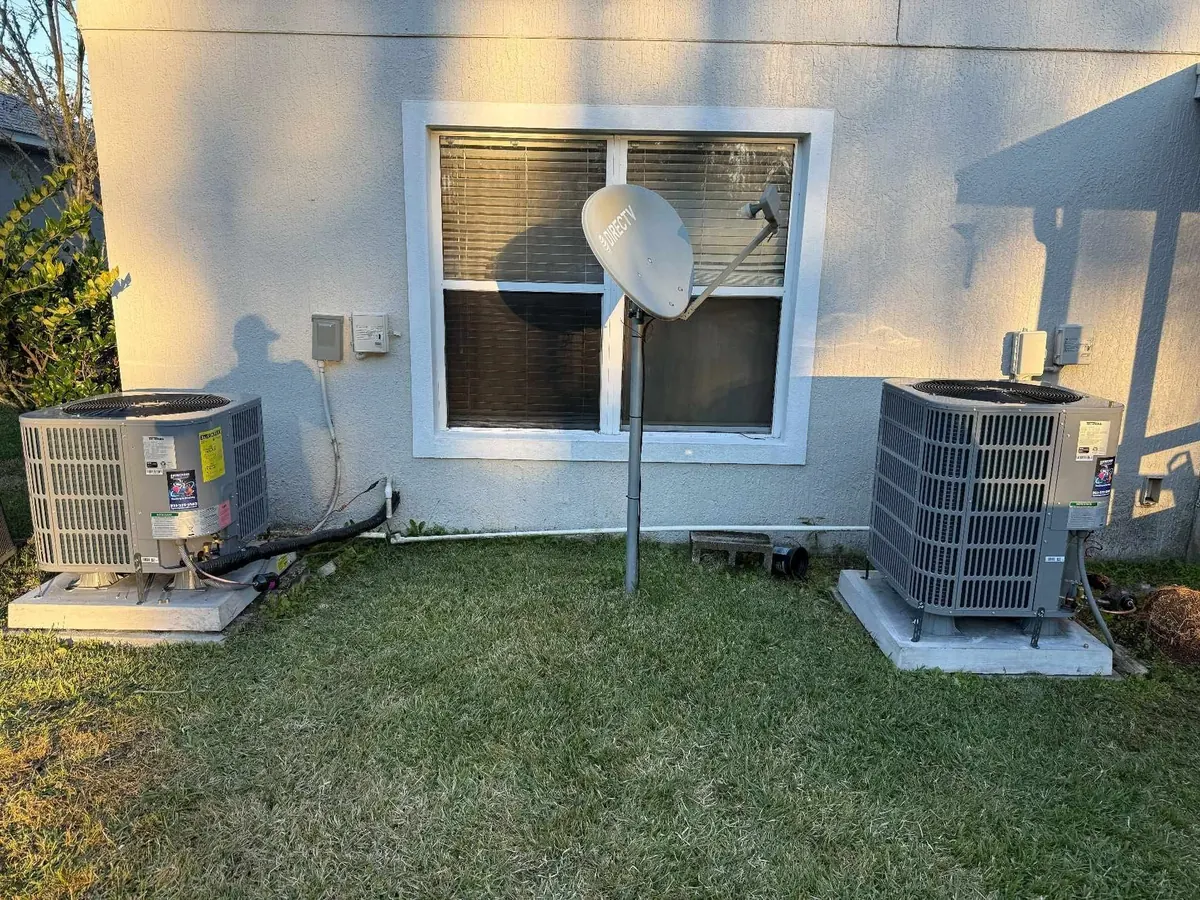
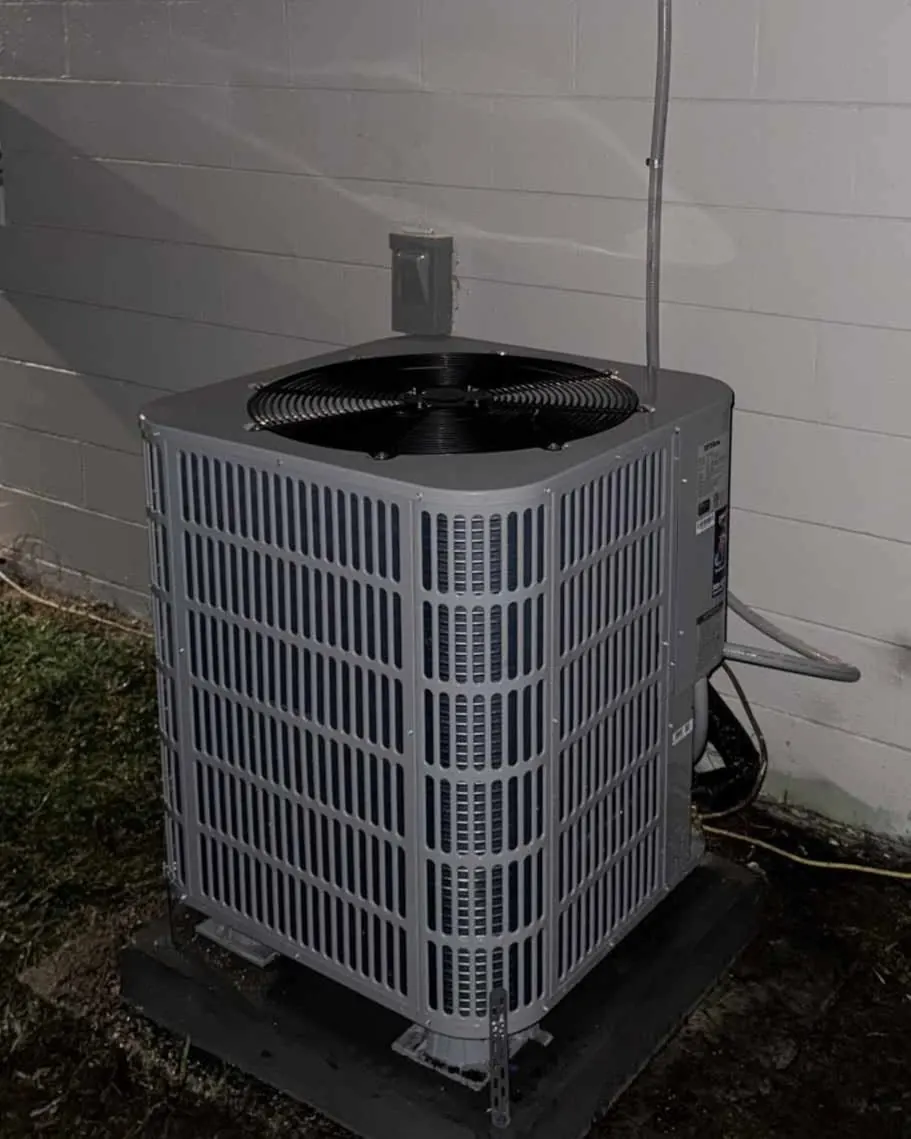
The ocean breeze that makes beachside living so pleasant carries microscopic salt particles. Those particles settle on everything outdoors — including your AC condenser, the big unit sitting outside your home. Salt is corrosive, and it's relentless. It coats the metal components and, over months and years, eats away at them through a process of accelerated oxidation.
The parts most vulnerable to salt-air corrosion include:
- The condenser coil and fins. These thin aluminum and copper components are the heart of your system's ability to shed heat. As salt corrodes them, efficiency drops and the system works harder to do the same job.
- Electrical contacts and connections. Corroded contactors and terminals cause intermittent failures, hard starts, and eventually complete breakdowns — often the first thing to go on a coastal unit.
- Fasteners, cabinet, and hardware. Screws rust, panels corrode, and the whole unit degrades from the outside in.
Why beachside units fail early
Inland, a well-maintained AC system might run 15 years or more. On the barrier island — especially oceanfront blocks in Indialantic and Satellite Beach, or waterfront homes on Merritt Island between the Indian and Banana Rivers — that same system can show serious corrosion in half the time. We regularly see condensers that are rusted through after just 6–8 years. Homeowners are shocked, because the unit was 'fine' and then suddenly wasn't. That's how corrosion works: it builds silently, then a corroded part fails and the whole system goes down.
The tell-tale sign: if you can see rust streaks, chalky white corrosion, or crumbling fins on your outdoor unit, salt has already done real damage. The question at that point isn't whether it's affecting your system — it's how much life is left.
What beachside homeowners can do about it
1. Install coastal-rated equipment
This is the biggest lever. Coastal-rated (sometimes called 'seacoast' or 'corrosion-resistant') systems are built specifically for environments like ours. They feature coil coatings that resist salt, protective cabinet finishes, and upgraded hardware. The added cost is modest relative to the years of extra life you get — which is why we lead with coastal-rated options for every beachside installation. On the barrier island, a standard unit is a false economy.
2. Rinse the condenser regularly
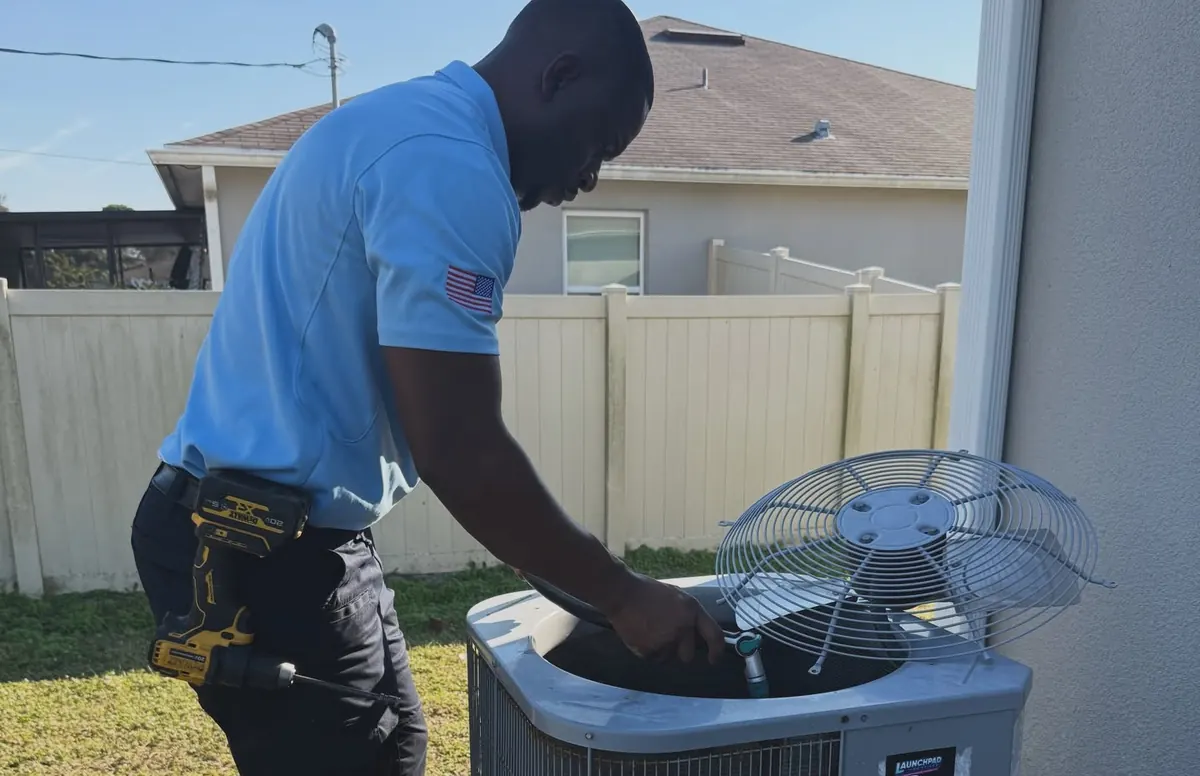
One of the simplest, most effective things you can do: gently rinse your outdoor unit with fresh water regularly to wash off accumulated salt before it can settle and corrode. A gentle spray from a garden hose (with the power off) helps — just avoid high pressure, which can bend the delicate fins. Even this small habit makes a real difference on the coast.
3. Commit to salt-focused maintenance
Beachside systems genuinely need more frequent, more thorough maintenance than inland ones. Professional coil cleaning, protective treatments, and close inspection of the components salt attacks first can add years to a coastal unit's life. This is exactly what our Comfort Club membership is designed to do for beachside homes — and it's far cheaper than premature replacement.
4. Give the unit a little shelter (carefully)
Positioning and light shielding from direct salt spray can help, but it has to be done right — an AC condenser needs plenty of airflow around it to work, so you can't just box it in. If you're building or landscaping, talk to us about smart placement.
The honest coastal calculus
Living near the beach means accepting that your AC will need more care and won't last as long as an inland unit — that's just physics. But you have real control over how much salt shortens its life. Coastal-rated equipment, regular rinsing, and salt-focused maintenance can be the difference between replacing your system every 7 years and getting 12+ reliable years out of it. Over the life of a home, that's thousands of dollars and a lot fewer sweaty summer breakdowns.
The companies that treat a Merritt Island home the same as an inland Palm Bay home are doing beachside homeowners a disservice. Coastal HVAC deserves a coastal approach. If your beachside unit is showing its age or you're planning a replacement, book an assessment online or call 321-375-5582 and we'll give you an honest, salt-smart plan.